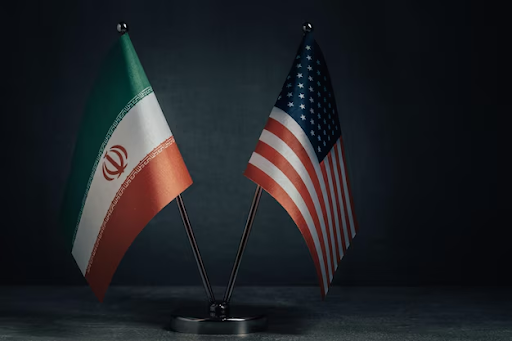
Three and a half hours of indirect negotiation in Geneva have produced cautious optimism but no breakthrough, as Iran and the United States continued their attempt to reach a nuclear agreement through Omani intermediaries. Iran’s foreign minister declared the talks “more constructive” than before, but was careful to temper expectations about how quickly a deal might come together.
The central challenge remains the enormous gap between what each side is willing to accept. The US has insisted that Iran relinquish its domestic uranium enrichment capability, a demand Tehran has flatly rejected as non-negotiable. Iran’s position is that it has a sovereign right to enrich uranium for peaceful purposes and will not sign that right away regardless of international pressure.
Iran’s offer on the table includes a commitment to dilute its stockpile of 60% enriched uranium and to expand IAEA access to nuclear sites that were struck in US bombing campaigns. However, a small number of IAEA inspectors currently in the country lack full knowledge of the damage caused by those strikes or how many centrifuges could be rapidly reactivated.
Against this diplomatic backdrop, Iran was also experiencing intense domestic turmoil. Thousands gathered on the 40th day after the deaths of protesters — a mourning milestone in Shia tradition — and President Masoud Pezeshkian was visibly distraught at a ceremony in Mashhad. Khamenei acknowledged publicly that some bystanders had been killed during the unrest, a rare if incomplete admission.
The crackdown on dissent continued in parallel with the diplomacy. More than 10,500 protesters had been summoned for trial, reformist politicians faced new charges, and reports of coerced confessions under physical pressure were widespread. The dichotomy between Geneva’s negotiating rooms and Tehran’s courtrooms painted a complex portrait of a country under pressure from multiple directions.