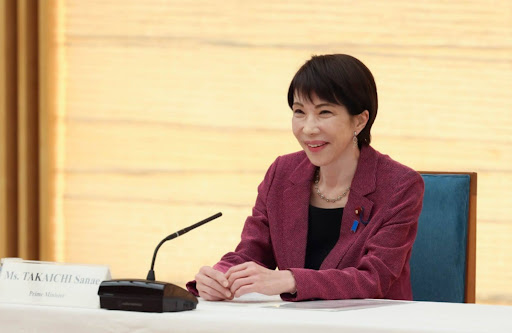
Japan’s government has announced the nation’s largest-ever release of strategic oil, with roughly 80 million barrels of reserves being made available to domestic refiners. Prime Minister Sanae Takaichi confirmed the plan in a post on X, saying the release would begin this week. This historic move follows the approval of a 15-day release of private-sector oil stocks last week. The combined response comes as Japan braces for potential oil supply shortages caused by the US-Israel military conflict with Iran and its impact on shipping through the Strait of Hormuz.
Japan’s extreme reliance on imported oil makes this one of the most serious energy crises it has faced in decades. The country imports over 90% of its crude oil from the Middle East, and any disruption to Hormuz shipping could halt supply at catastrophic scale. Prime Minister Takaichi declined Trump’s request to deploy Japan’s navy to the region, citing the country’s constitutional commitment to pacifism. Her government has instead pursued diplomatic channels and domestic energy management as its primary response tools.
The release of 80 million barrels exceeds Japan’s previous record reserve drawdown — made in 2011 after the Fukushima nuclear disaster — by 1.8 times. Japan’s current reserves total around 470 million barrels, the equivalent of 254 days of domestic demand. The government has stated that the release will not compromise the country’s long-term reserve adequacy. Officials are confident that the level of remaining reserves provides a sufficient safety buffer for further action if required.
Retail fuel prices reached a record high of ¥190.8 per litre before the government introduced subsidy measures capping prices at ¥170. These subsidies will be reviewed weekly and adjusted to reflect market conditions. The policy is designed to relieve pressure on consumers and businesses alike during a period of volatile global oil prices. Energy economists have broadly welcomed the swift and structured nature of the government’s response.
Social media posts about looming shortages have triggered some panic-buying, particularly of toilet paper. Japan’s trade ministry stepped in to reassure the public, noting that 97% of the country’s toilet paper supply is domestically manufactured using recycled paper materials. The Japan Household Paper Industry Association confirmed that production and supply chains remain fully functional. The government is keen to prevent the kind of irrational consumer behaviour that caused empty supermarket shelves during the Covid-19 pandemic and the 1973 oil shock.