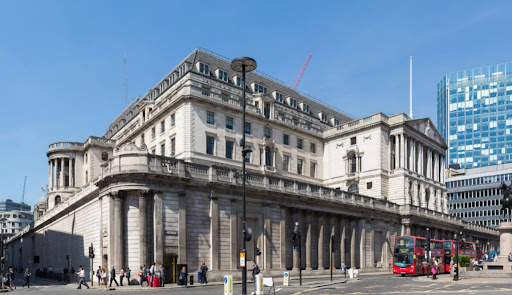
A combination of the Iran war and what critics have called “Trumpflation” is putting the UK economy under mounting pressure, as the Bank of England held rates at 3.75% on Thursday and warned that rising energy costs could force borrowing cost increases. The monetary policy committee voted unanimously to hold, but the Liberal Democrats’ Treasury spokesperson used the occasion to coin a phrase — blaming a combination of global trade policies and the war for the inflation threat. Officials warned that the UK’s inflation outlook had changed materially.
The Trumpflation argument centres on the view that US trade policies have contributed to global inflationary pressures that are now feeding through to the UK economy. Combined with the energy price spike triggered by the US-Israel conflict against Iran, critics argue that external policy decisions are imposing a significant economic cost on British households. The Bank now expects inflation to rise to approximately 3.5% in March and remain above target throughout 2026.
Governor Andrew Bailey focused on the energy price dimension in his public communications, pointing to higher petrol costs as visible evidence of the war’s economic impact. He warned that household energy bills could follow if supply chain disruption persists and said the Bank would act if necessary to prevent inflation from becoming entrenched. His language combined concern with a deliberate effort to avoid unnecessary alarm.
Markets responded with a hawkish repricing. UK gilt yields rose, the pound strengthened against the dollar, and the FTSE 100 fell as traders moved to price in rate hikes in June and again before December. Five-year fixed mortgage rates have already moved to their highest levels since early 2025, according to market analysts.
The political dimension is intensifying. The Liberal Democrats’ Daisy Cooper accused prominent figures aligned with US trade policies of contributing to rising household costs. Labour faces the uncomfortable position of managing an economy under external pressure from geopolitical and trade forces largely beyond its control. Chancellor Reeves is reportedly considering energy support options as the financial pressure on UK households continues to build.