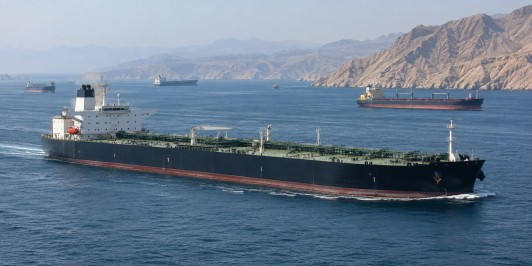
Iran has extended a proposal to the United States, suggesting the reopening of the Strait of Hormuz within a week if Washington meets specific conditions. These conditions include lifting the naval blockade of Iranian ports, easing sanctions on Iranian oil exports, and agreeing to a ceasefire that encompasses Lebanon. The offer comes amid ongoing tensions surrounding Iran’s nuclear program and its strategic control over this critical maritime route.
The Iranian Foreign Minister, Abbas Araghchi, outlined the timeline, indicating that once the U.S. accepts the proposal, preliminary measures would commence, taking four to five days. The Strait of Hormuz, a vital artery for the global energy market, would then be reopened on the sixth day, with nuclear talks between the U.S. and Iran set to resume on the seventh day. This proposal highlights Iran’s strategic leverage over the waterway, a key point of contention in its conflict with the United States.
Iran’s proposal was communicated to the United States through Qatar, which has taken on a mediating role between the two nations. The proposal follows previous diplomatic efforts that have yet to secure a lasting agreement. In parallel, Iran has been reaching out to Gulf countries, with Iranian President Masoud Pezeshkian meeting Qatar’s prime minister and Araghchi engaging with Saudi officials during the U.N. General Assembly.
However, internal disagreements persist within Iran regarding negotiations with the U.S. While some hard-line officials oppose diplomatic efforts, advocating for continued resistance, others within the Iranian government favor a diplomatic resolution. This divergence reflects the complex dynamics at play as Iran navigates its foreign policy and domestic political landscape.
The proposal also raises questions about its scope, particularly concerning the conflict involving Yemen’s Houthi forces and the security of the Bab el-Mandeb Strait, another crucial international shipping lane. As discussions continue, the international community remains watchful of the developments, given the significant implications for regional stability and global energy markets.