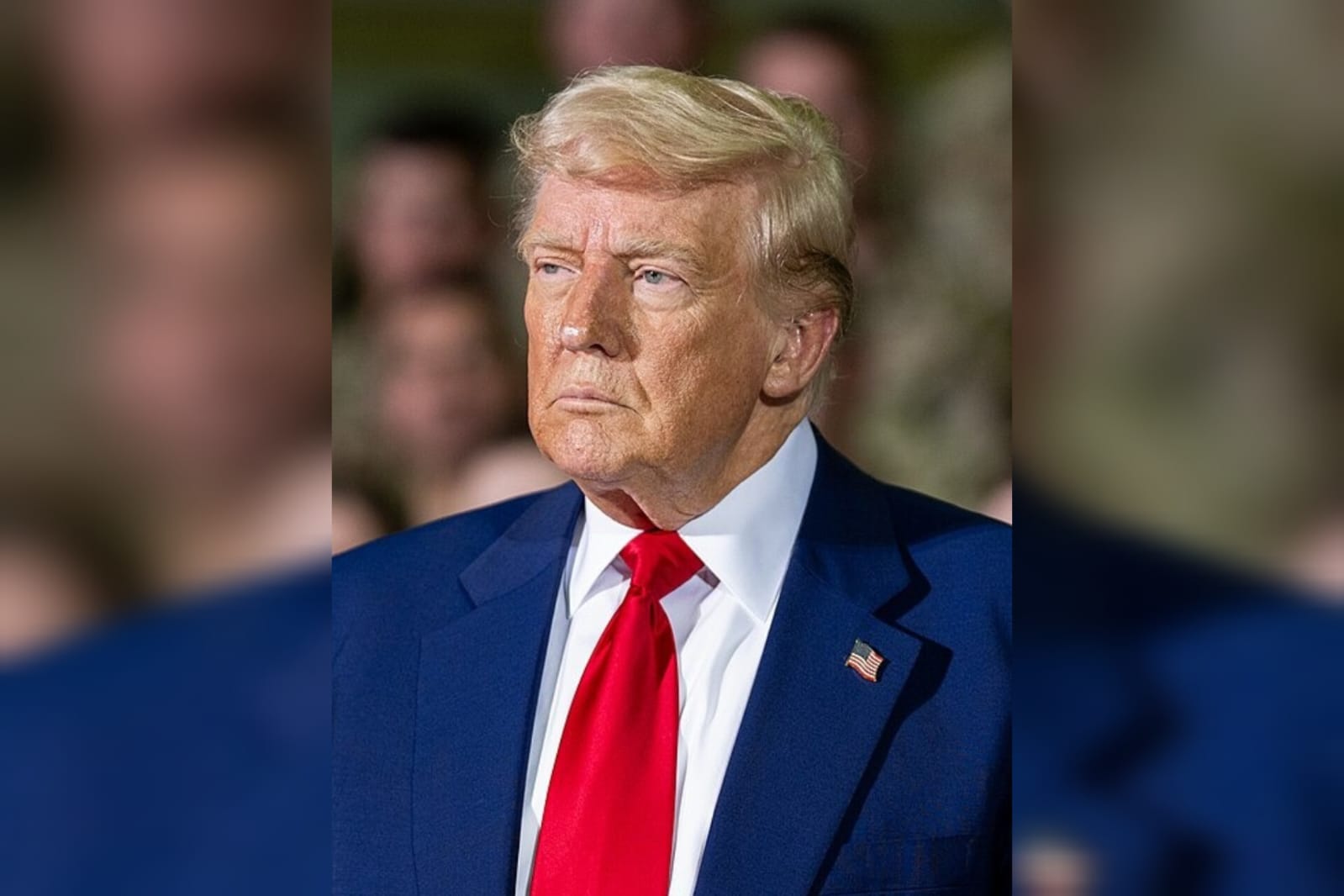
In a significant move toward reducing tensions in West Asia, the United States and Iran have announced that a recently signed memorandum of understanding is now in effect. This agreement represents a crucial step towards resolving ongoing hostilities in the region and initiates its implementation phase. U.S. President Donald Trump revealed that he signed the memorandum during a dinner at the Palace of Versailles following the conclusion of the G7 summit. He declared that the deal is now active. Confirmation of the signing was provided by a White House official, and Iranian representatives noted that the document was finalized through electronic signatures from senior officials on both sides.
Central to the agreement is the plan to promptly reopen the Strait of Hormuz, a vital global shipping route that had been affected by the conflict. The memorandum also outlines rapid sanctions waivers on Iranian oil exports, permitting Tehran to restart energy shipments under newly established conditions. This framework sets a 60-day negotiation window aimed at addressing Iran’s nuclear program, with additional talks anticipated to focus on long-term verification measures and regional security strategies. Both parties have described this as the commencement of a phased process, rather than a conclusive settlement.
A key element of the agreement is the potential establishment of a large-scale reconstruction fund for Iran, which would be supported by regional partners once a final nuclear agreement is achieved. However, the U.S. has stressed that any broader financial aid will be contingent upon Iran’s compliance and future diplomatic advances. This conditional aspect underscores the cautious approach being taken by the U.S. in its commitment to financial support.
Proponents of the agreement view it as a breakthrough that could stabilize global energy markets and ease regional tensions. However, there remains skepticism among critics regarding the agreement’s implementation and its long-term effects. Concerns persist, particularly about the enforcement of nuclear restrictions and the commitments related to regional security.