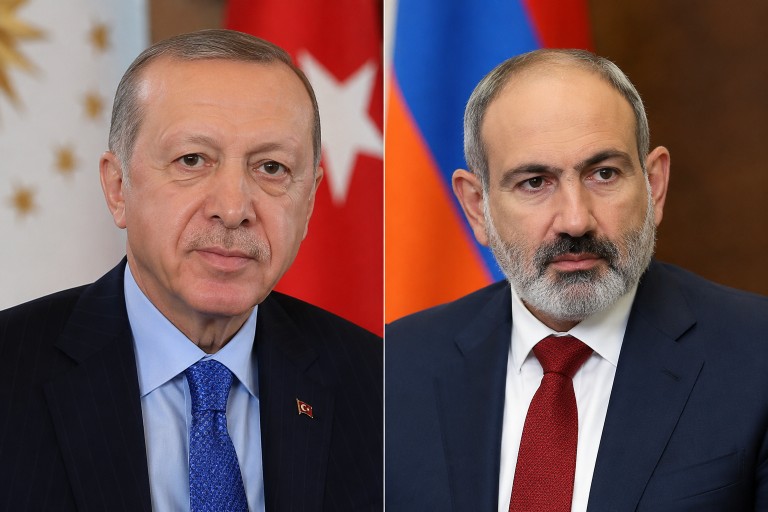
In a recent development aimed at enhancing relations in the South Caucasus, Turkish President Recep Tayyip Erdoğan and Armenian Prime Minister Nikol Pashinyan engaged in a phone conversation to further the ongoing normalization process between Türkiye and Armenia. The discussion, which also addressed recent regional events, marked another step in the gradual rapprochement between the two nations after years of tension.
Prime Minister Pashinyan took the opportunity to extend Eid al-Adha greetings to President Erdoğan during their call. The dialogue also focused on evaluating the progress made in their efforts to strengthen bilateral ties and explore avenues for expanded cooperation. Erdoğan reiterated Türkiye’s dedication to advancing peace, stability, and long-term security across the region, emphasizing that the normalization process is being pursued through practical measures aimed at fostering direct trade and economic engagement.
The interaction between the Turkish and Armenian leaders highlights a series of high-level contacts as both countries work towards mending their historically strained relationship. Initiated in late 2021, the normalization process saw the appointment of special envoys responsible for steering negotiations. Since then, tangible steps such as the resumption of commercial flights in 2022 have been taken to bolster the ties between the two nations.
Efforts to normalize relations between Türkiye and Armenia are seen as part of a broader initiative to promote regional stability and enhance economic connectivity in the South Caucasus. Both countries view these diplomatic endeavors as essential for increasing dialogue, building trust, and creating opportunities for collaboration in areas of mutual interest.
Despite facing challenges, the Turkish and Armenian governments remain committed to supporting dialogue and confidence-building measures. They continue to express their readiness to work towards a more constructive and cooperative bilateral relationship, signaling hope for a more peaceful and interconnected regional future.