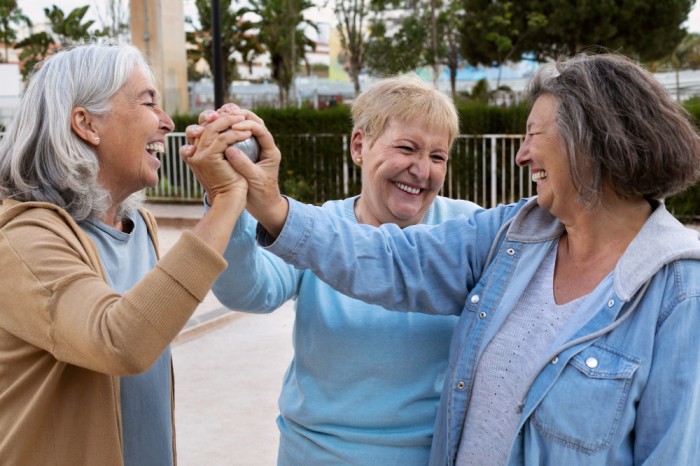
For many, retirement marks the end of a long career and the beginning of a more relaxed lifestyle. However, health experts emphasize that this phase should not equate to abandoning mentally engaging activities. Continuing to be physically, socially, and intellectually active is crucial for maintaining brain health and overall well-being as individuals age.
As people grow older, certain cognitive functions may naturally decelerate, but experts assure that substantial cognitive decline is not an unavoidable aspect of aging. Engaging in activities that challenge the mind, foster social interactions, and promote physical fitness can help keep the brain lively, potentially enhancing memory, focus, and problem-solving skills.
Exercise is particularly beneficial, as it enhances blood circulation to the brain and supports its healthy functioning. Simple activities like walking, practicing yoga, cycling, or gardening can be effective ways to preserve cognitive health by incorporating regular movement into daily routines.
Retirement can pose a risk to cognitive health if it results in isolation, a loss of daily structure, and diminished mental stimulation. Without the routine of work, regular social interactions, or opportunities to acquire new skills, the brain may become less active, potentially impacting cognitive abilities over time.
To counteract these risks, experts advise retirees to engage in activities that provide mental stimulation and a sense of purpose. Exploring new hobbies, volunteering, traveling, mentoring younger generations, or joining community groups can offer such opportunities. Additionally, maintaining strong social ties is vital. Interacting with family, friends, or community organizations can enhance communication, memory, and decision-making skills, while also mitigating feelings of loneliness and depression.
Health professionals highlight that healthy aging involves more than just disease prevention; it is also about preserving independence, mental acuity, and quality of life. By staying active, curious, and socially engaged, retirees can support long-term brain health and enjoy a fulfilling post-work life.