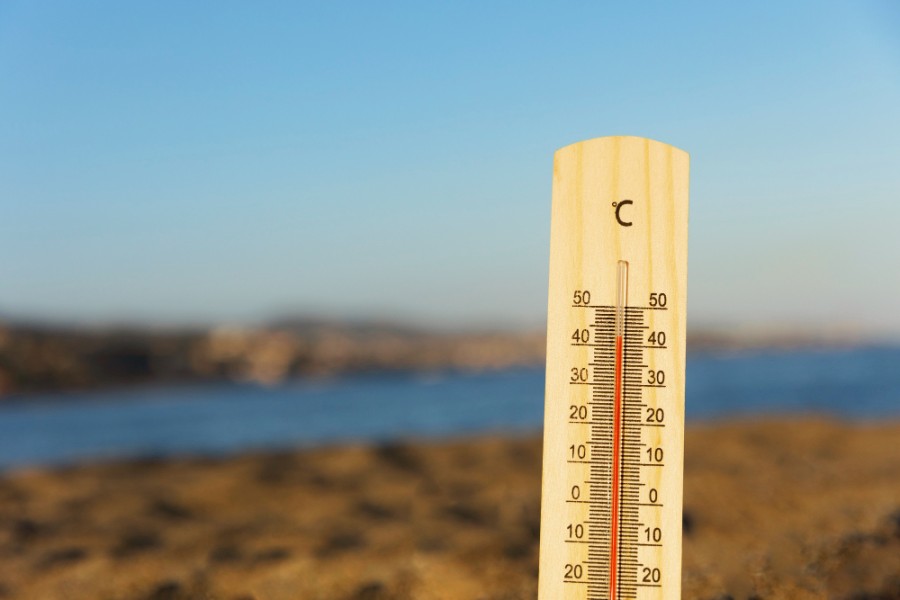
A sweltering heatwave is sweeping through central, eastern, and southern Europe, bringing with it hazardous temperatures and prompting emergency warnings across several nations. With authorities issuing red heat alerts, residents are being urged to stay indoors and refrain from outdoor activities during peak heat hours. Record-breaking temperatures have been reported in cities such as Budapest, Belgrade, and Bucharest, compelling countries like Hungary, Poland, Romania, Serbia, Croatia, Slovakia, and Bosnia and Herzegovina to implement emergency measures as the mercury continues to rise.
In Germany, the scorching heat has caused temperatures to exceed 40°C for the third day in a row, leading to transport chaos as the intense heat damages railway and tram networks. Various nations have established cooling centers and are actively working to safeguard vulnerable populations from the severe weather conditions. The relentless heatwave is also elevating the risk of wildfires, with firefighters battling blazes across southern Europe. On Croatia’s island of Vis, emergency teams have been deployed to tackle a wildfire, with authorities cautioning both tourists and locals to stay vigilant.
While Western Europe is beginning to experience some respite following unprecedented temperatures, the heatwave has already been associated with a significant increase in mortality rates. Experts attribute the severity and widespread nature of the heatwave to the ongoing effects of climate change, which continues to pose a global challenge. The impact of climate change is making these heatwaves more frequent and intense, further emphasizing the need for adaptive measures and strategies to mitigate future risks.
Ukraine finds itself under additional stress from the extreme heat, as rising electricity demands put further pressure on an energy system already strained by the ongoing conflict. Officials have expressed concerns that the soaring temperatures could exacerbate existing challenges in maintaining stable power supplies, potentially leading to further complications in an already precarious situation. The combination of war and extreme weather highlights the vulnerabilities faced by countries in crisis.